Anime Review: My Hero Academia Season 2

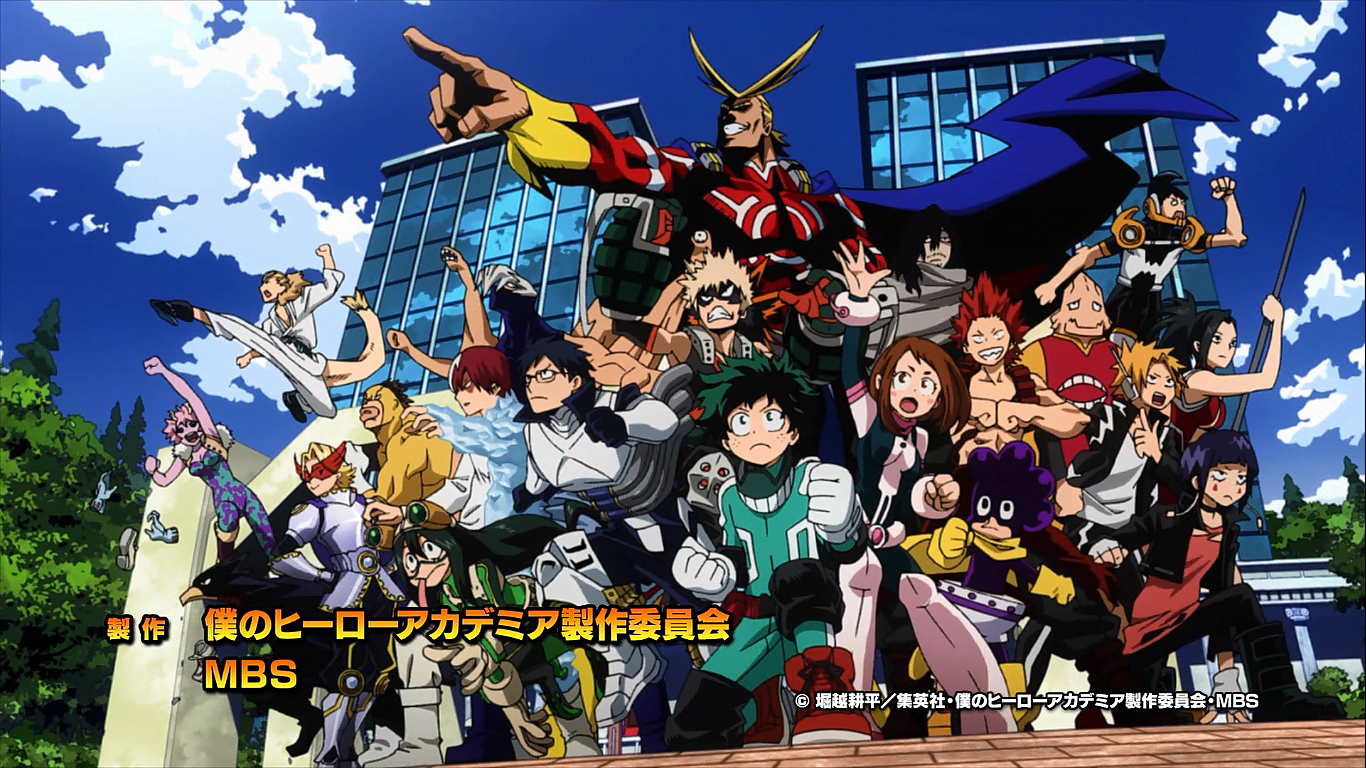
The first 12 episodes of the season are almost entirely focused on the U.A. Sports Festival, which takes a dive into the personal struggles these heroes-in-training face. Being forced to work with and against one another, issues with identity and pride come bursting to the surface, adding an entirely new dimension to several of the supporting cast. While this is ultimately Izuku’s story, a fair amount of Season 2 turns the spotlight on several of the other students, some of whom, including Todoroki, Uraraka, and Iida, are so well realized that they at times feel like the main character of this story as much as Deku(Izuku’s nickname).

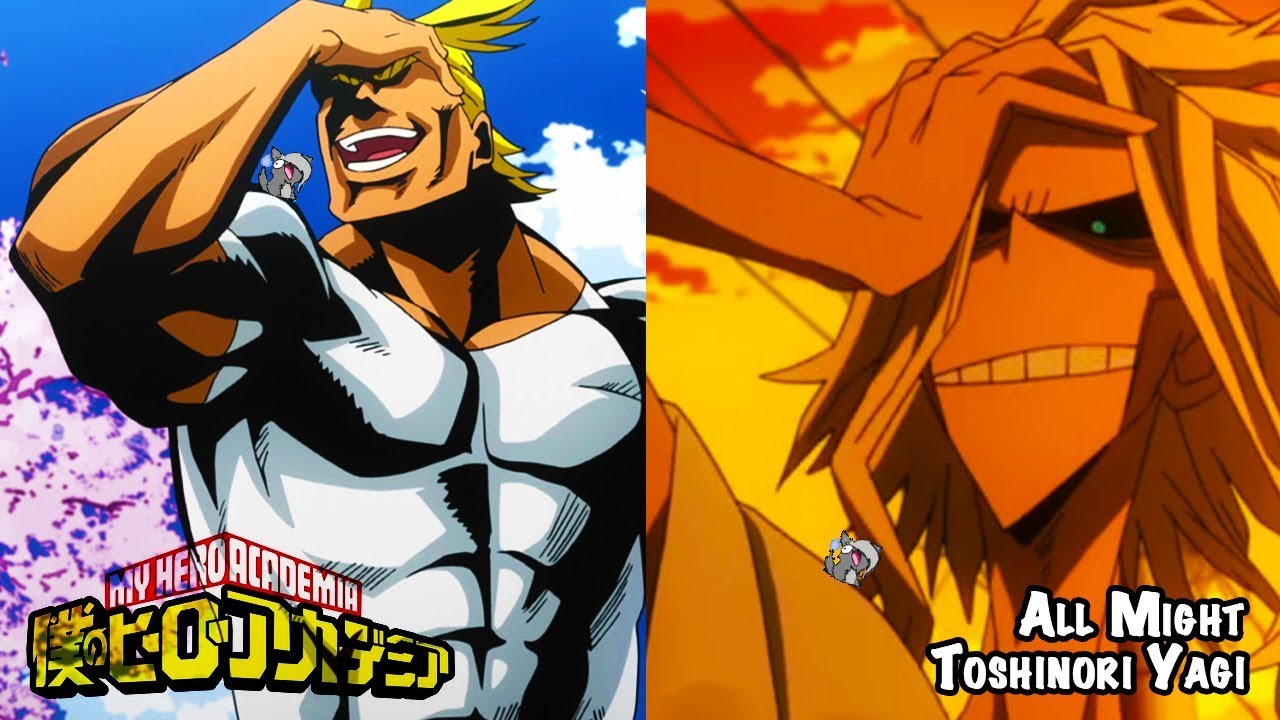
That isn’t to say Deku doesn’t get his share of screen-time, as All Might’s adoring fan undergoes a very significant transformation over the course of the season. Witnessing that growth, as he learns to control One For All with his “Full Cowl” and solidify his own identity as a hero, is so uplifting. What truly makes Deku such an impressive character, though, is his humility. Multiple times throughout Season 2, we see Deku put his own life on the line in a selfless attempt to help his friends work through their own personal issues, making for some of the most emotional and heartening moments of My Hero Academia yet.

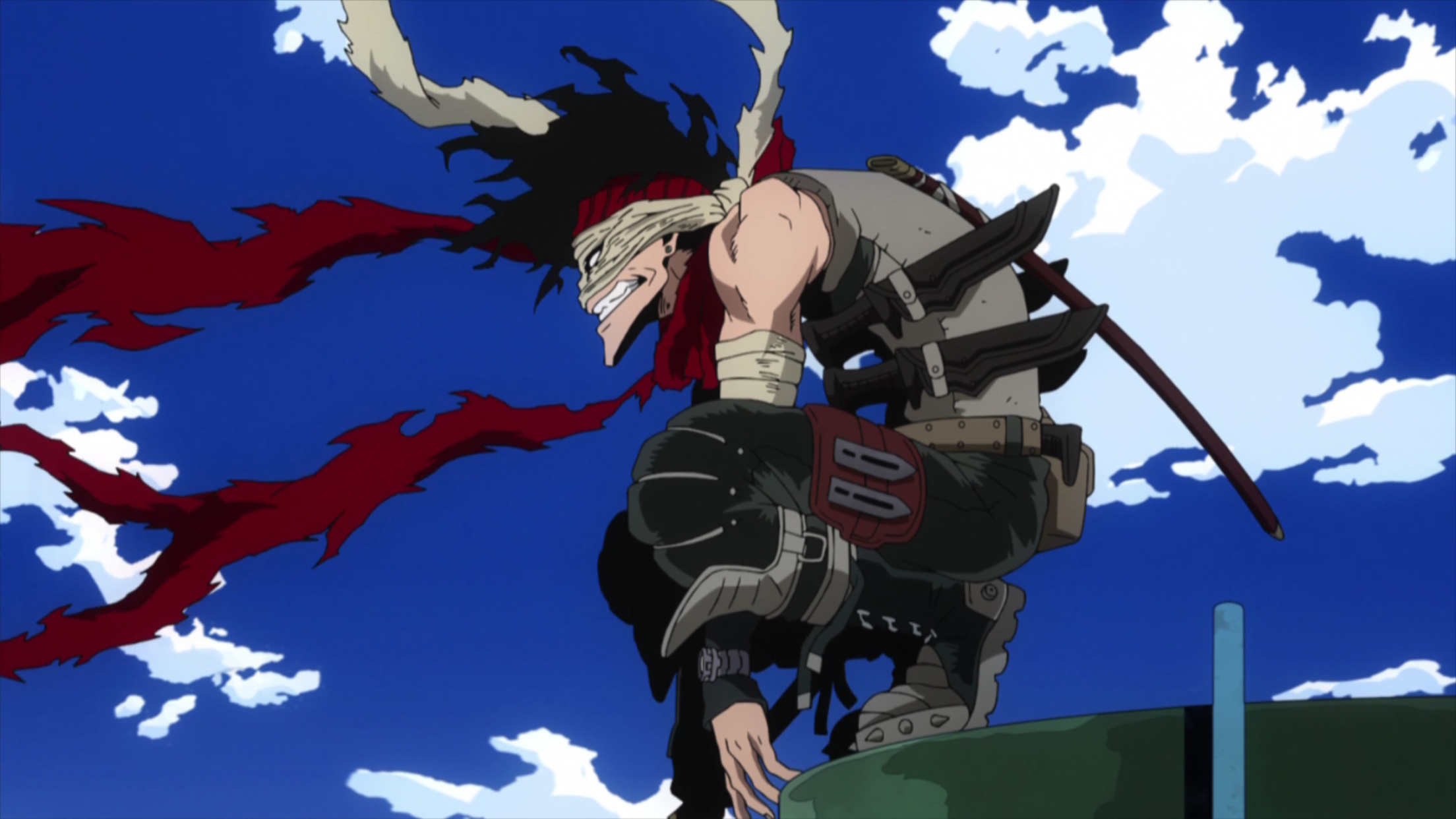
Several intriguing new characters are introduced in Season 2 as well, including Gran Torino, the semi-senile retired pro hero who served as the #1 Hero, All Might’s mentor. Not only does his dynamic with Deku make for some hilarious moments, but his presence also spurs some intriguing revelations about All Might’s past and the history of One For All. Perhaps the most interesting newcomer, though, is The Hero Killer: Stain, an interesting villain with a wonderfully unsettling character design. Thanks to his complex worldview that motivates his horrific crimes, I found Stain to be far more captivating than the villains in Season 1. While Shigaraki is still a part of the picture, new plot revelations and the impact of Stain’s vigilante efforts help steer the League of Villains in some exhilarating new directions.

Season 2 also does an amazing job expanding and fleshing out the Quirk-filled world of My Hero Academia. The sports festival introduces several other U.A. High students who either didn’t make it into Class 1-A or have different career paths. Likewise, the internships give a look at some of the Pro. Heroes and how they operate in society. Then, the Final Exams give the teachers (who are also Pro. Heroes), an opportunity to flex their labored skills, putting into perspective just how much growing Deku and the gang still need to do before they’re even remotely on the same level.

In the realm of production, My Hero Academia is in a class of its own. Studio Bones maintains the bar very high, delivering some of the most dynamic and fluid animations I have ever seen. Season 2’s tenth episode, “Shoto Todoroki: Origin,” is a particular standout, serving up a remarkable display of ice and fire that collides with One For All in an explosive scene that has yet to be rivaled by any other animation sequence in the season. The sounds are spectacular, with music and effects that complement and often heighten the impact of what’s happening on-screen. The voice acting is also quite amazing. While I’m partial to watching the anime in Japanese with Subtitles, the English dub is also very good, with stunning performances from Justin Briner and Christopher Sabat as Izuku and All Might, respectively.

The 2nd season of My Hero Academia is truly something special. Its ability to smoothly set intense character development into a sports festival, internships, and high school final exams with such emotionally rich success put it head and shoulders above other anime of its category. Couple that with some of the most amazing animation I’ve seen thus far, a far more interesting villainous threat than the ones presented in Season 1, and several fantastic new characters, and Season 2 of My Hero Academia earns its place as one of the Best TV shows of 2017 with a landslide.

Animated Series Review: Miraculous Ladybug Season 1

Guess what show I’m hooked on now? If guessed Miraculous Ladybug or you already read the title. Then you know it!

Their story takes place in Paris, France, a tale of two teens, Marinette Dupain-Cheng and Adrien Agreste and their superpowered alter-egos, Ladybug and Chat Noir (Black Cat in French). Gifted powers in the form of powerful artifacts, individually called a Miraculous, by a mysterious old man. The two fight to keep Paris safe from the peculiar villain, Hawk Moth.

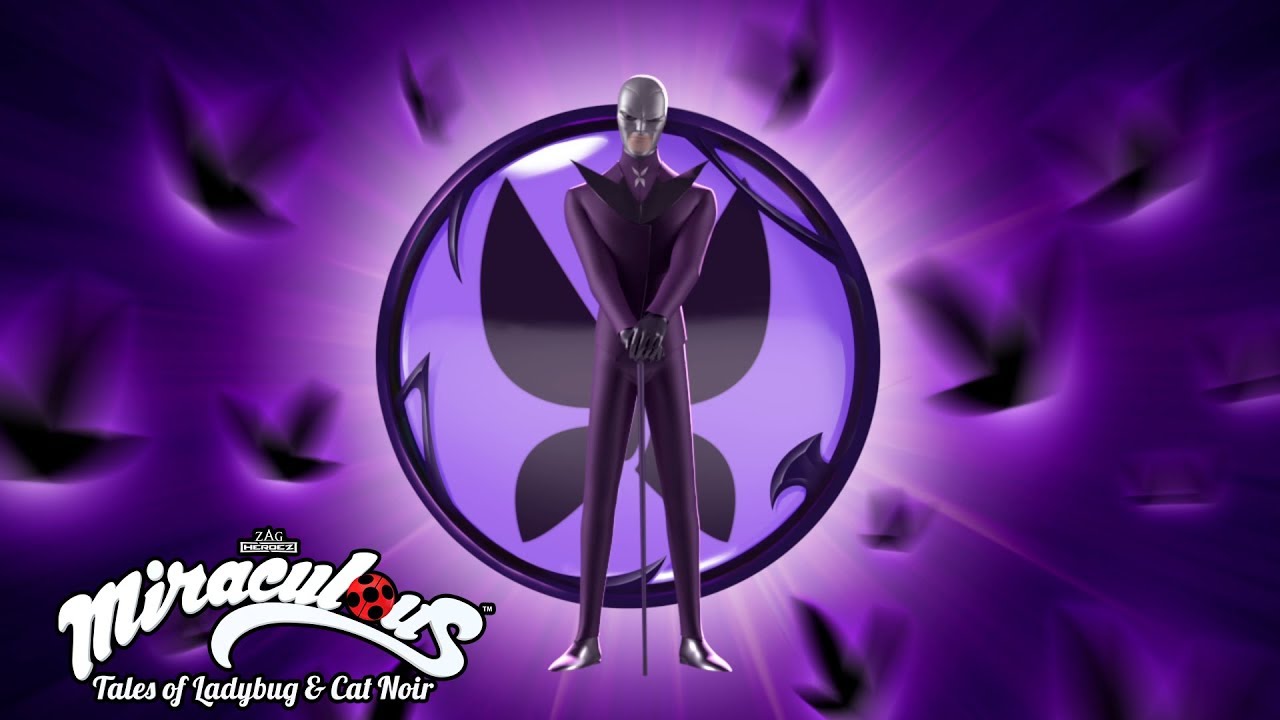
Hawk Moth himself

This villain utilizes corrupted butterflies, Akumas, to corrupt the innocent citizens of Paris, and turn them into supervillains who he manipulates to obtain the Miraculous of the teen superheroes. Faced with these unwavering threats, Ladybug and Chat Noir fight to keep the city safe from harm, all the while remaining oblivious to each other’s secret identity, which creates a VERY frustrating love square with only TWO people, and even the history of the Miraculous they wield.

From the beginning to the end of the season, the show ends up taking an episodic approach to it and executes it very well. It reminds me a lot of Power Rangers, Teen Titans Go, or even the early Teen Titans, while adding pinches of its own flair that make the show unique. That being said, this type of series can easily suffer from a few flaws-namely, the potential for the show to be repetitive or grow stagnant.


Mr. Pigeon

As creative as Miraculous Ladybug can be with its villains, like the infamous villain Mr. Pigeon, its story just seems to stay in place and not go anywhere. It’s the same format for most of its runtime-a fun, effective format to be sure, but still the same one.

However, throughout the series, there is some information sprinkled here and there. While I won’t go into it too much, we learned about the old man, who apparently is some sort of keeper of Miraculous, about the potential history of the Agreste Family, about the history and the kwamis of the heroes Miraculous, and the small limitations as to how they work.

These few informative moments gave me hope that Miraculous Ladybug was not just another kids show–it has a point, a direction, and I’m very excited to see where the story heads from there.

There’s a lot going on, but Miraculous Ladybug deliberately chooses not to focus on it yet.  And that’s exciting, simply because, with how the series is structured, you know for a fact that they WILL dive into the backstory, that sweet and juicy plot that we all want.

Anime Review: My Hero Academia Season 1

During the events of Season 1 and 2, I was an anime-only fan. With that said, I had the pleasure of going into the anime unaware of the twists and turns the story was that awaited the aspiring hero, Izuku “Deku” Midoriya. After taking an emotional action pack rollercoaster that is the Season 1 of My Hero Academia, courtesy of Studio Bones’ amazing animated adaptation and the creator himself, Kohei Horikoshi. My Hero Academia really solidified it’s place as my favorite show and has me eagerly awaiting for the future of the manga/anime.

The story centers around the green-haired Izuku, a teenage boy who dreams of becoming a superhero but finds himself among the 20 percent of people without a quirk (A special power in this universe). After a chance encounter with his heroic idol All Might, who saw potential in the quirkless boy, starts training him and maybe gives an overpowered quirk, Izuku finds a way to rise above his circumstances and attends the very prestigious U.A. High School in the hopes of shaping his dreams into reality.

As the clear underdog amongst his peers, I found Izuku to be immediately both likable and relatable, especially in contrast to his childhood friend/rival/bully Katsuki “Kacchan” Bakugou. Despite being an egocentric bully with a serious case of superiority complex, Katsuki grew on me as the series progressed. It’s very clear he has some pride and anger management issues, but his drive to be a hero and protect society from the villains that threaten the peace is a respectable quality that makes him far more than the one-dimensional hothead stereotype.

Likewise, the rest of My Hero Academia’s cast of heroes in training are multilayered and each fascinating in their own right. From the studious and rigid class president Tenya Iida, who is equipped with the quirk Engine on his legs, to the sweet and cheerful Ochako Uraraka, who has the quirk, Zero Gravity which activates by simply touching the item or person, U.A. High School definitely boasts a colorful cast of distinct and wonderfully realized characters.

The same can be said for their world’s “Number 1 Hero” All Might, who is far more than just a big brawny tall dude sporting a shiny white smile. Yes, even the most powerful of heroes have their time of weakness and need the help of others once in a while, and All Might’s devastating secret does an excellent job of demonstrating that fact. Plus, the bond he forms with Izuku that spirals into a mentorship role for a hero whose best days are clearly behind him creates a heartwarming dynamic that had me smiling like All Might every time the two of them were together on screen. Plus, it doesn’t really help the “Dadmight” theories either.

Unlike its well-developed cast of heroes, My Hero Academia’s villains left me wanting more. The League of Villains’ leader Tomura Shigaraki (Mr. Hands) has the potential to be an engrossing character with a deep and twisted backstory, but unfortunately very little of that was known in this season. Based on a few teases that pop out during the finale, it’s clear-cut that we’re going to learn a whole lot more about the antagonists of this series in Season 2, but a bit more backstory earlier on would have made Season 1’s concluding showdown all the more stimulating.

That said, given there are only thirteen episodes in the 1st season. I’m delighted a huge chunk of the season focused on making Izuku a relatable character and making his backstory known. The series is centered on Izuku’s journey to become the greatest hero, so having a strong foundational familiarity of his character this early on will only serve to strengthen the overall story as My Hero Academia enters its 2nd season.

The first season of My Hero Academia delivers thirteen episodes of amazing action, elevated by a warm story that’s wrapped around a core cast of noteworthy and relatable characters. While its antagonists could use some work, the stage has been set for a second season that poses some exhilarating new challenges for the students of U.A. High School.